Preparing To Sell In A Holly Springs HOA Community
March 24, 2026
March 24, 2026
Thinking about selling your home in a Holly Springs HOA community? The rules and paperwork can help your sale move smoothly, but they can also slow you down if you wait too long. You want a clean, confident listing that answers buyer questions up front and avoids last‑minute hiccups. In this guide, you’ll learn the exact disclosures North Carolina expects, the HOA documents buyers want, how Holly Springs handles signs, and a simple timeline to follow. Let’s dive in.
North Carolina requires most home sellers to deliver the Residential Property and Owners’ Association Disclosure Statement (RPOADS) to buyers before an offer. The Real Estate Commission updated the form in 2024, and brokers must ensure you provide it. Even if you select “No Representation,” brokers must still disclose known material facts. You can review Commission guidance on the RPOADS in the agency’s official bulletins.
If you are selling a condominium, the North Carolina Condominium Act expects the seller to furnish a resale statement that sets out monthly assessments and fees payable by unit owners. Buyers should receive this fee information before conveyance. See the North Carolina Condominium Act for details.
If your home is in a planned community, the Planned Community Act requires you to provide key documents and disclosures, including the declaration, bylaws and rules, and a certificate stating the periodic assessment, unpaid assessments, other fees, and approved capital expenditures for the current and next fiscal year. The law also ties limited purchaser cancellation protections to the timing of these disclosures. Review the North Carolina Planned Community Act for the statutory framework.
Most buyers and closing attorneys will ask for a resale or estoppel packet from your HOA or its manager. This packet confirms dues, payment status and any amounts due at closing. Under North Carolina law, associations must furnish a statement of unpaid assessments within 10 business days of a written request, and they may charge a reasonable fee that is capped in many cases. Do not wait until the last week of closing to order it. See timing and fee guidance in the Planned Community Act.
These topics align with the disclosure items required under North Carolina’s condo and planned‑community statutes. You can reference the Condominium Act and the Planned Community Act for specifics.
Pulling the right records up front helps you price with confidence and answer buyer questions fast. Start with these items:
Holly Springs regulates temporary real estate and open house signs. The Unified Development Ordinance typically allows one temporary freestanding sign for many residential uses, often up to 6 square feet of surface area and 4 feet in height, with strict rules on location and timing. Do not place signs in the public right of way and do not illuminate temporary signs. Open house signs may only be displayed during business or open house hours. Always confirm the exact district and table that apply to your property, since allowances vary. Review Section 9 of the town’s sign rules in the Holly Springs UDO.
Your HOA may set stricter sign limits than the town. Check the CC&Rs and any master sign plan to avoid fines or takedown notices. The UDO guidance above is a good first step, then layer in your community’s rules.
Transfer fees, capital contributions and administrative charges are governed by your declaration and by your purchase contract. Some communities assign certain costs to the seller, others to the buyer, and many are negotiated. The Planned Community Act allows associations to charge reasonable fees for preparing statements and certain transfer costs, subject to limits.
If you are selling a condominium, buyers and title companies rely on the resale certificate. Statutory guidance indicates a purchaser should not be liable for unpaid assessments beyond what is properly disclosed in the resale certificate provided before purchase. See the Condominium Act for context.
Associations have lien rights and can enforce unpaid assessments under Chapter 47F. Any lien must be cleared or addressed before closing. You can read about lien and enforcement powers in the Planned Community Act.
Compliance is half the win. The other half is how your home shows and how widely it is seen. Professional staging, photography and video can elevate buyer interest and support stronger offers while you keep the HOA paperwork on track. Clear, accurate HOA disclosures build trust and reduce renegotiations during due diligence.
If you want a coordinated plan that blends premium marketing with HOA know‑how, reach out to Van Starling II. You will get a clear timeline, help ordering the right documents, and a plan to present your home at its best.
Stay up to date on the latest real estate trends.

Lifestyle
Why Is Cary, NC Considered One of the Best Places to Live?
Lifestyle
What Makes Copperleaf One of Cary’s Premier Luxury Communities
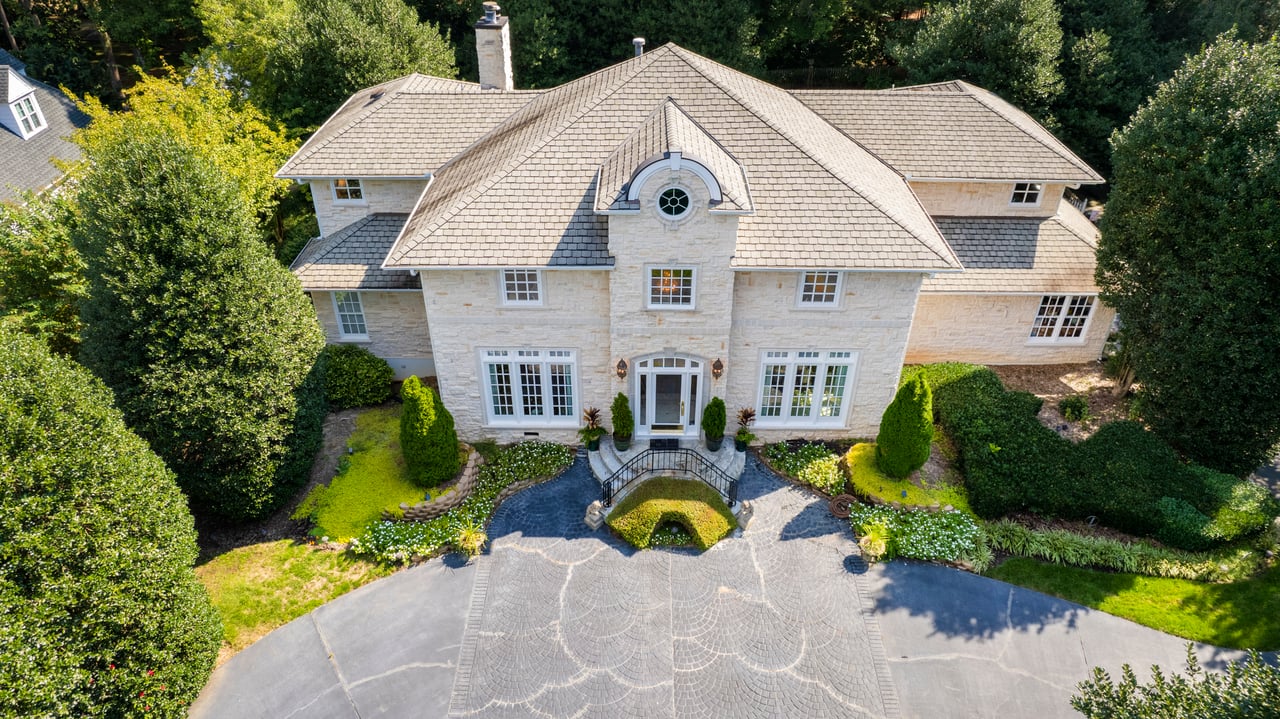
Real Estate
What is MacGregor West in Cary, NC? MacGregor West is an established Cary neighborhood built primarily in the late 1980s through early 2000s, offering larger homes, ma… Read more

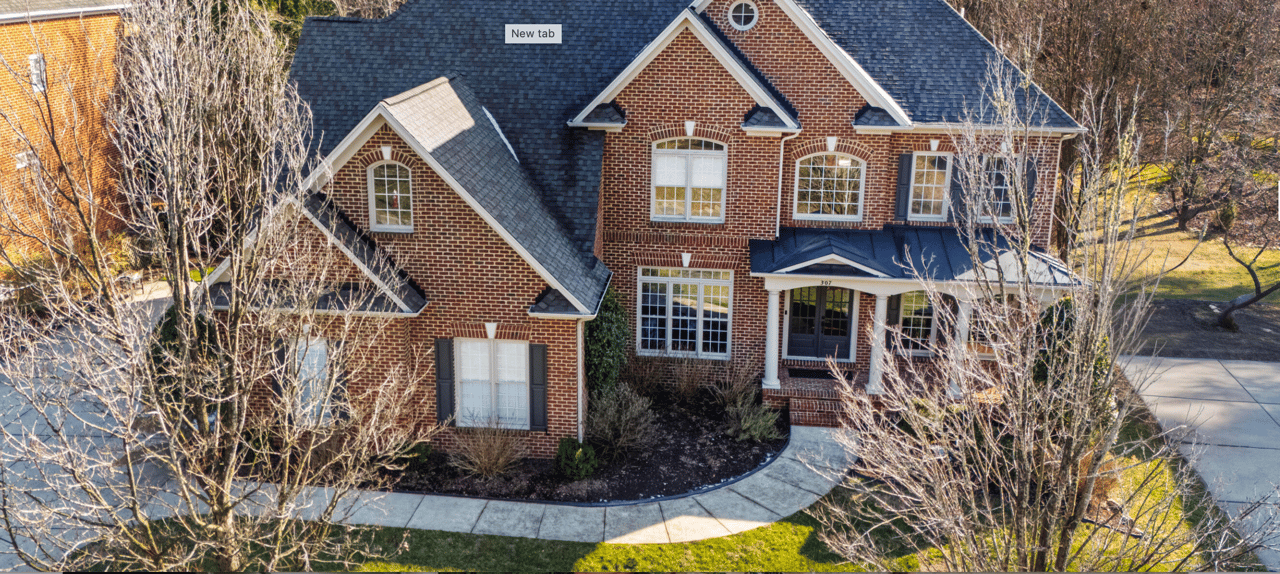
Lifestyle
What is Cary Park in Cary, NC? Cary Park is a master-planned neighborhood in northwest Cary known for its central lake, walking trails, mixed architectural styles, and… Read more

Lifestyle
How do MacGregor Downs, Prestonwood, and Lochmere compare in Cary, NC? MacGregor Downs offers established prestige and golf heritage, Prestonwood provides a larger cou… Read more
If you're looking to sell your home or relocate to or from the Triangle area, reach out to Van via call, text, or message, and he will guide you toward achieving your goals.