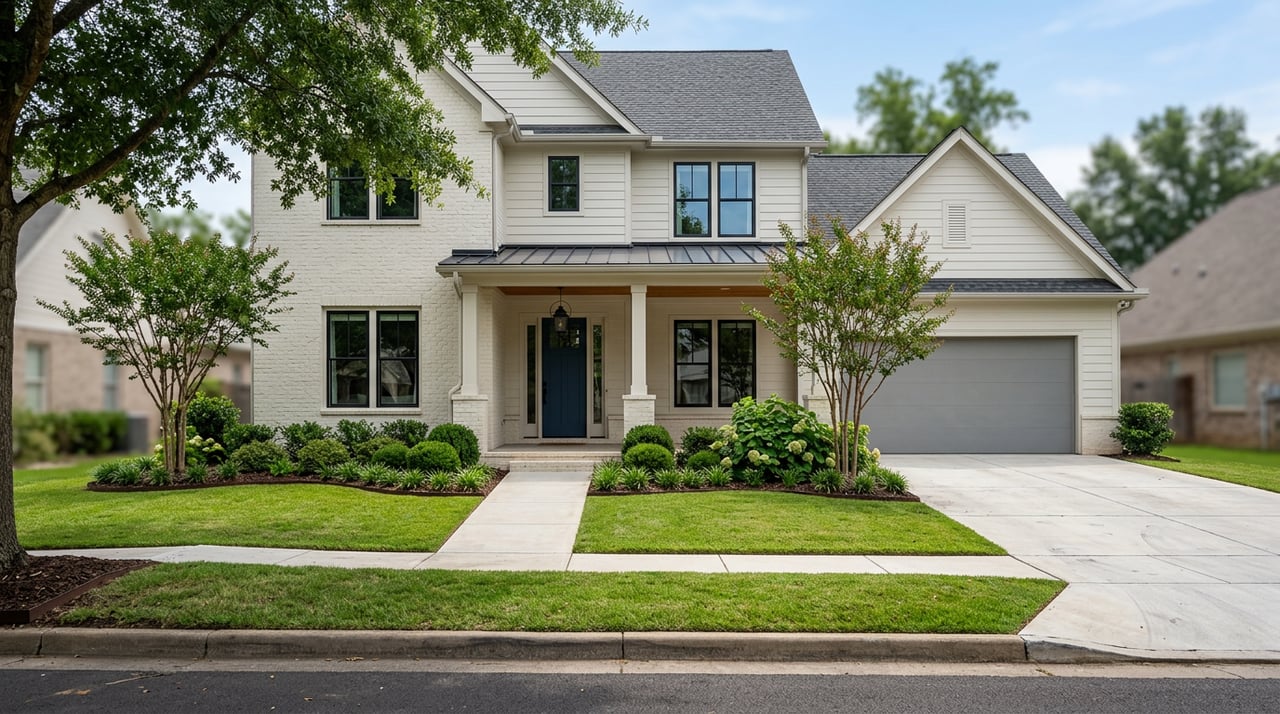
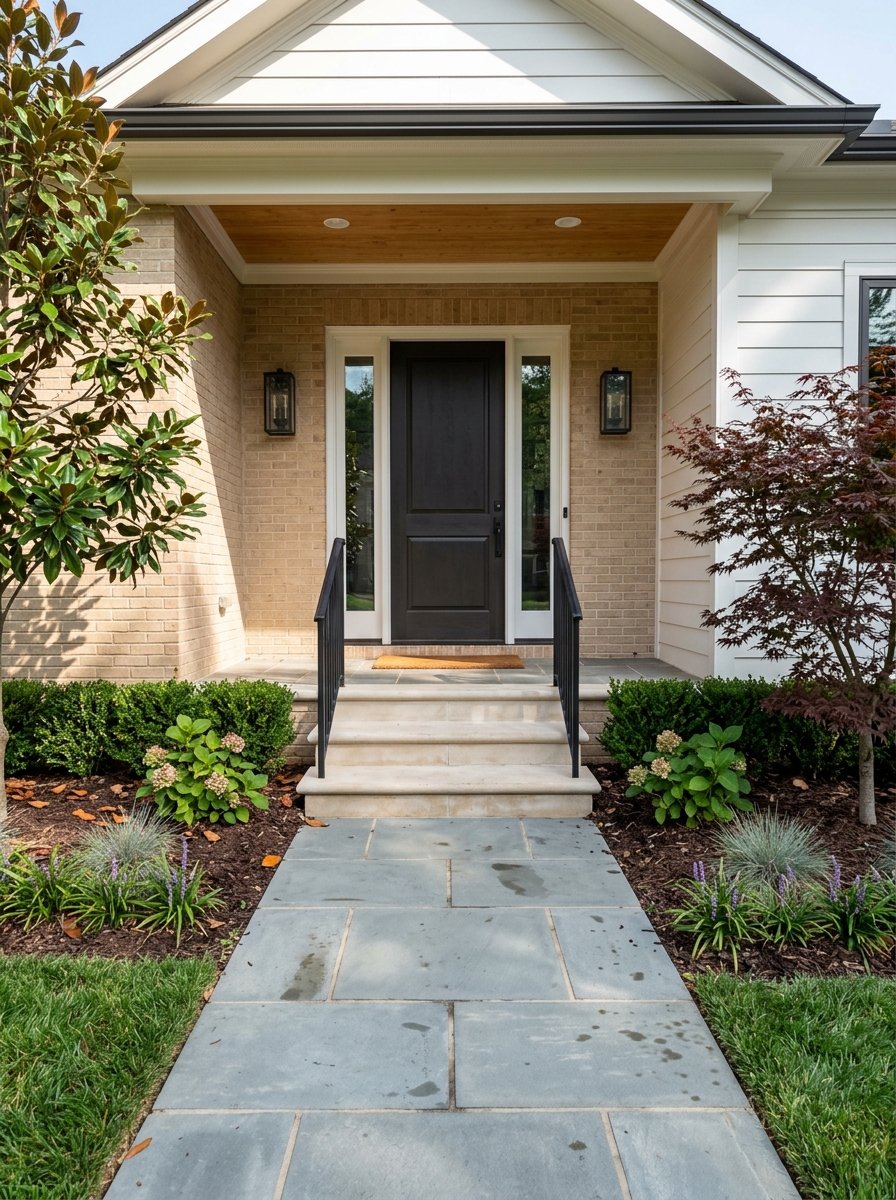
Should you buy brand-new in Apex or a move-in ready resale this year? With inventory rising and the pace moderating from the 2021–22 peak, you have more room to compare options and negotiate. Your decision likely comes down to timing, customization, warranties, and neighborhood maturity. In this guide, you’ll see how each path fits your priorities, what to watch in Apex’s 2026 market, and how to secure the best terms. Let’s dive in.
Start with your key constraint
Timeline first
If you need to move in the next 60–90 days, resale or a quick move-in new home is your best fit. Many national builders in Apex release spec homes on a rolling basis, but availability shifts week to week. If your lease or current sale drives a hard date, favor homes already complete or near completion. If you can wait, a to-be-built plan opens more choice.
Customization goals
If you want to select floor plan, structural options, and finishes, a to-be-built new home delivers the most control. You can shape layout, storage, and energy features to your lifestyle. If you value character, larger lots, or established shade trees, a resale home often wins. Decide which items are must-haves versus nice-to-haves to keep choices focused.
Budget and risk comfort
Resale homes offer immediate transparency on total price and condition. You can inspect, negotiate repairs or credits, and close on a predictable timeline. New homes start with a base price, then add lot premiums and options, so plan for a clear allowance and upgrade list. If you prefer fixed numbers, favor resale or an already-built spec home with published pricing.
Neighborhood maturity
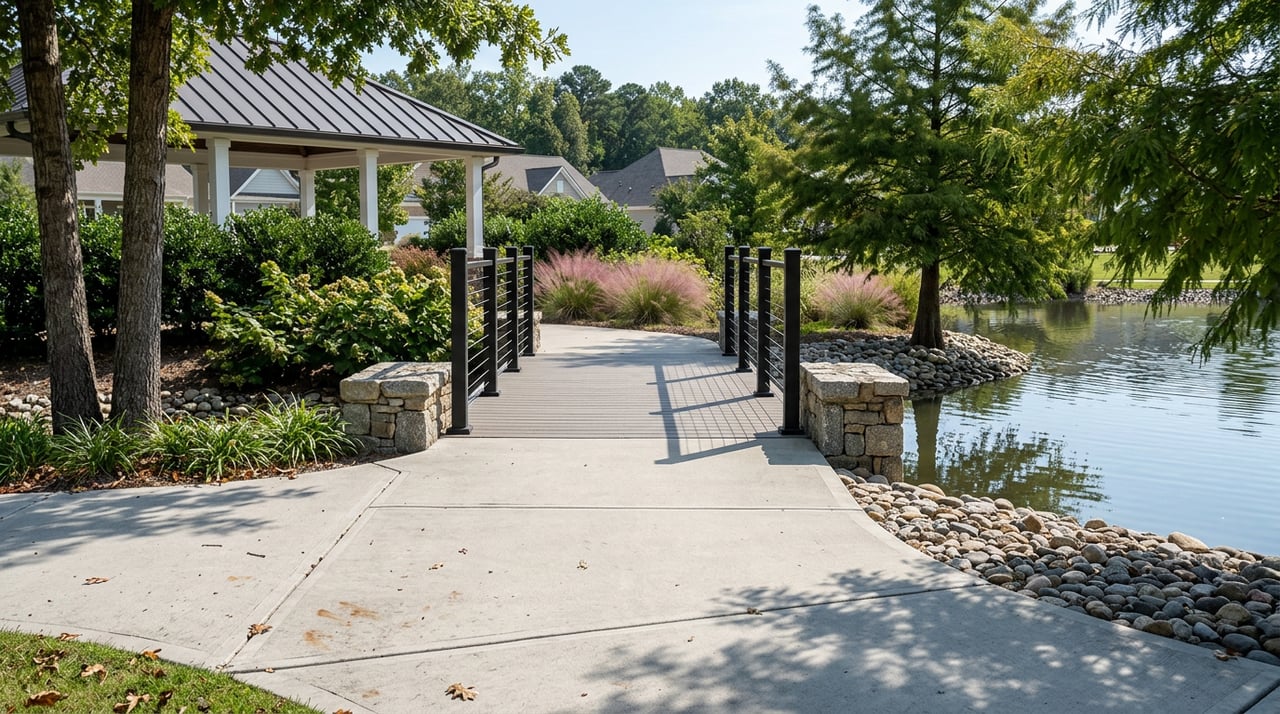
New communities add amenities and landscaping over time. Resale neighborhoods give you known traffic patterns, established greenery, and proven commute times. Walk the area at different hours to understand noise, parking, and daily rhythm. Choose the setting that matches how you actually live.
Apex market snapshot for 2026
Apex sits in fast-growing Wake County, and conditions are more balanced than during the pandemic frenzy. As of January 31, 2026, Zillow reports an Apex home-value index of $588,728. For the most recent reporting periods, Realtor.com showed a median list price near $595,000 in December 2025, while Redfin reported a median sale price near $530,000 in January 2026. Inventory has been rising and days on market are longer than in 2021–22, which creates more negotiation room on both new and resale.
Regional coverage also points to a more even playing field. You can see this in commentary about 2026 Triangle trends in Axios’s local market outlook. The takeaway for you: compare options side by side and expect sellers and builders to consider concessions when your terms are strong.
What you get with new construction
Top advantages
- Customization and selections. When you choose a to-be-built plan, you can personalize layout and finishes. Many builders also offer quick move-in homes if you need a shorter timeline.
- New systems and energy performance. New homes must meet current building and energy codes. Independent research shows that certified efficient homes can be about 15 to 30 percent more energy efficient than typical older houses, which can help your monthly costs. Learn more about efficiency benefits from the Environmental and Energy Study Institute.
- Warranty coverage. Most large builders provide tiered coverage that often looks like 1 year for workmanship, 2 years for systems, and 10 years for structural components. Ask for the warranty booklet and who administers claims. Many enroll with third-party providers such as 2-10 Home Buyers Warranty.
Common tradeoffs to plan for
- Build time and delays. A production build often runs about 6 to 12 months from contract to move-in, depending on weather, permitting, site work, materials, and change orders. Get the timeline in writing and ask about remedies for missed dates. For a detailed view of typical stages, review this practical look at build timelines from Dunn & Stone Builders.
- True total price. Lot premiums, structural choices, and design upgrades add up quickly. Compare apples to apples by pricing the exact home, lot, and finish level you want.
- Inspection access and repair process. Builders handle most first-year items under warranty rather than traditional resale-style repair requests. Confirm your right to independent inspections and set them at key milestones.
Financing and warranties for FHA and VA
In 2019, FHA made 10-year insured warranties optional for new-construction cases and kept a 1-year completion warranty as the baseline, which improved access for many buyers. VA still expects builder warranties or an acceptable protection plan in certain scenarios. If you plan to use FHA or VA, confirm warranty and inspection requirements with your lender before signing. See an overview of the FHA change from HousingWire.
Builder concessions you can request
In Apex, national and regional builders are active, including D.R. Horton, M/I Homes, Toll Brothers, Baker Residential, and Davidson Homes. On inventory homes, you can often negotiate closing cost help, interest-rate buydowns through the preferred lender, appliance or landscape packages, or included options. Put every promise in writing and attach an itemized features list to your contract so expectations match the finished home.
Local permitting and inspections in Apex
The Town of Apex accepts single-family permits through an electronic plan portal and outlines submittal checklists and inspection steps. If you buy a to-be-built home, you or your agent can use the town’s resources to understand stages and timing. Review the Apex Building Permit page and the Building Inspections page for process details and checklists.
Resale homes: strengths and watchouts
Why resale might fit you
- Immediate occupancy. If you are on a tight schedule, you can inspect, close, and move within weeks rather than months.
- Established setting. You can see mature landscaping, traffic patterns, and real commute times before you commit.
- Known history. Sellers often provide system ages, service records, and recent utility bills, which helps forecast costs.
What to plan for on resale
- Near-term maintenance. Older roofs, HVAC systems, and water heaters may be approaching replacement. A thorough inspection helps you budget and can support repair or credit requests.
- Appraisals and contract mechanics. In faster segments, appraisals sometimes trail contract prices. Understand how appraisal contingencies and gap coverage work before you waive them. Your lender and agent can structure protections that match your comfort level.
- Cosmetic updates. You may want to paint, refinish floors, or remodel. Get quotes during due diligence so your total cost picture stays clear.
Appraisal, inspection, and clarity
Inspections and appraisals serve different purposes. Inspections evaluate property condition and safety, while appraisals estimate market value for your lender. If you are new to the process, a short primer on roles and timelines can help you prepare. For a plain-language overview of inspection versus appraisal, see this guide from AmeriSave.
True monthly cost: compare line by line
To compare a new build and a resale home in Apex, look beyond price to total monthly cost.
- Mortgage principal and interest. Factor builder incentives or seller credits and confirm how your lender treats them for appraisal.
- Taxes. Wake County tax rates can change with annual budgets and revaluations, which affect your payment. For recent budget and tax discussions, see local coverage from WRAL, then verify current rates with the county.
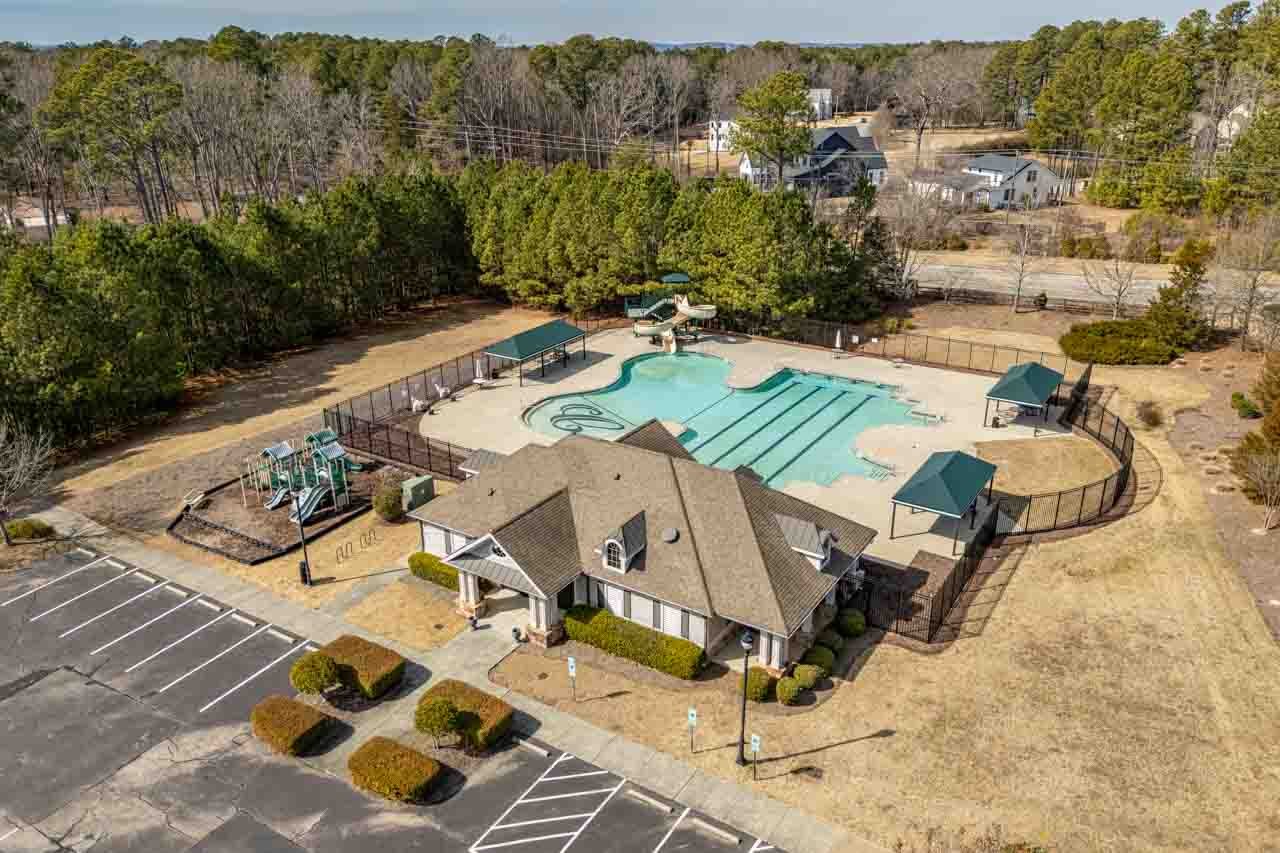
- HOA. New communities often have monthly or quarterly fees for amenities and maintenance. Get the current fee, what it covers, and any planned increases.
- Utilities and efficiency. New homes often run more efficiently due to modern codes and equipment. Use builder feature sheets and typical energy savings ranges from EESI to estimate your usage.
- Maintenance. Budget a reserve for ongoing upkeep. Resale buyers should plan for age-related replacements; new construction owners should plan for settling touch-ups.
A simple decision framework
Use your primary constraint to choose your path with confidence.
- Need to move soon. Focus on resale or quick move-in new homes already under construction.
- Want long-term efficiency and design control. Choose new construction and accept a longer build timeline.
- Prefer predictable costs and low risk. Favor resale with thorough inspections and a clear closing schedule.
- Using FHA or VA. Confirm builder warranty and inspection documentation up front so your loan stays on track.
Buyer checklist
- Confirm your target move-in date. If it is under 90 days, prioritize resale and quick move-in inventory.
- For new construction, request the full contract, included-features sheet, allowance versus upgrade list, warranty booklet, warranty administrator contact, deposit terms, and typical certificate of occupancy timing. Ask if the structural warranty is insurance-backed and transferable. A third-party example is 2-10 Home Buyers Warranty.
- For resale, order a full home inspection, request seller disclosures, obtain recent utility bills, and check permits for past renovations.
- Verify taxes and HOA. Ask for current Wake County tax details and HOA documents, including budgets and planned capital projects.
- Align financing early. Confirm loan type, appraisal expectations, and how credits or incentives will be treated on the appraisal.
How your agent adds value
- Contract review. Flag escalation clauses, warranty waivers, limited inspection windows, or unclear allowances before you sign.
- Inspection strategy. Schedule independent inspections at key stages for new builds and coordinate specialists for resales.
- Negotiation. Secure builder credits, rate buydowns, and option packages or craft appraisal-contingency language that protects you on resale.
- Apples-to-apples math. Build a clear monthly cost comparison that includes taxes, HOA, estimated utilities, and maintenance so you can decide with confidence.
Final thought
In 2026, Apex gives you real choice. If you want modern efficiency and a home tailored to you, new construction is compelling. If you value certainty on timing and neighborhood feel, resale delivers. With balanced market conditions, you can compare both and negotiate terms that fit your goals. When you are ready to weigh options or tour shortlists, connect with Van Starling II for calm, broker-level guidance from contract to closing.
FAQs
Is 2026 a good time to buy new construction in Apex?
- Yes if you want customization and can allow a longer timeline, since inventory is improving and the market is more balanced, which can open the door to builder concessions.
How long does a new home build take in Apex?
- Many production builds run about 6 to 12 months depending on weather, permitting, and materials; ask for a written schedule and remedies for delays.
What warranties do Apex builders usually include?
- Many offer a 1-year workmanship warranty, 2-year systems coverage, and a 10-year structural warranty, often through a third-party provider that is transferable.
Are resale homes cheaper than new builds right now?
- Prices vary by neighborhood and condition, but recent data shows Apex list and sale prices in the low-to-mid 500s and 600s, so compare total costs and features for each specific home.
Can I use VA or FHA financing on a new build in Apex?
- Often yes, but confirm documentation early because FHA and VA have specific warranty and inspection requirements that your builder and lender must meet.
Do I still need an inspection on new construction?
- Yes, independent inspections at stages like pre-drywall and final walkthrough help catch defects early and protect your warranty claims.
What should I ask about HOA fees in new communities?
- Get the current monthly or quarterly fee, what it covers, the reserve balance, and any planned amenities or assessments that could raise costs.
How will Wake County property taxes affect my payment?
- Property taxes are part of your escrow and can change with county budgets and revaluations, so verify the current rate and reassessment schedule before you finalize your budget.