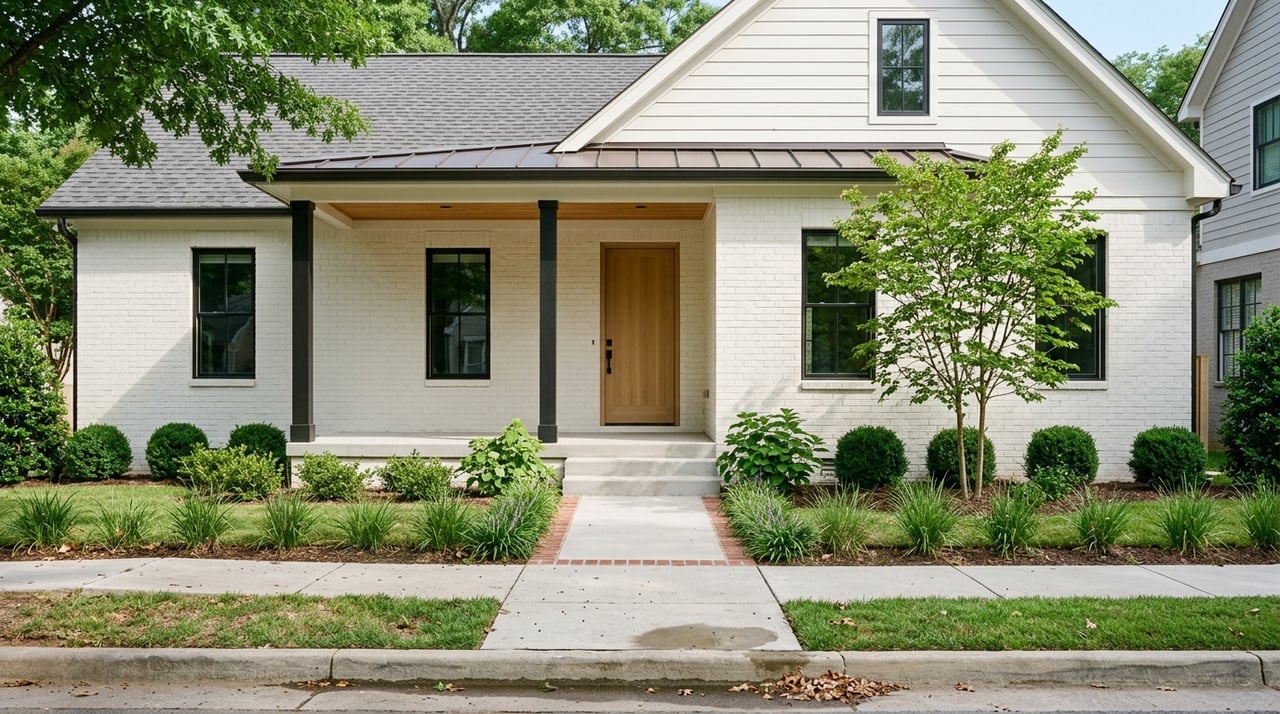
Walkable Cary Living In And Around Downtown
June 18, 2026
June 18, 2026
If you want a more walkable lifestyle in Cary, you need to know one important thing up front: walkability here is real, but it is concentrated. Cary is still mostly suburban, yet downtown has been planned and built to offer a more on-foot, mixed-use experience. If you are thinking about buying or selling near the core, this guide will help you understand where walkable Cary living actually exists, what it feels like day to day, and what kinds of homes are closest to it. Let’s dive in.
Cary’s long-range planning makes a clear distinction between the town as a whole and downtown in particular. The Town describes downtown as the place where a more active, walkable mixed-use environment should continue to grow. It also points to future growth patterns that include walkable mixed-use nodes with more transportation choices, including walking, biking, and transit.
That means “walkable Cary” is not a label for every neighborhood in town. Instead, it is best understood as a set of specific pockets centered on downtown and a few connected corridors. For buyers, that helps set realistic expectations. For sellers, it helps explain why location near the core can stand out in the market.
The heart of walkable Cary is Downtown Cary Park. The Town describes it as a seven-acre park in the center of downtown, bordered by Academy, Walker, Park, and Walnut Streets. That location matters because it places a major public gathering space right inside the area where people can walk between destinations.
This is not just a passive green space. Downtown Cary Park includes event and performance spaces, public art, food-and-beverage facilities, market space, and walkways designed for strolling. In practical terms, that gives you more reasons to be outside and more reasons to leave the car parked.
The Town also emphasizes that visitors can park once, use the free GoCary Downtown Loop, and reach shops, dining, and events on foot. That tells you a lot about how downtown works today. It is becoming more pedestrian-friendly while still fitting into Cary’s broader suburban pattern.
Walkability is not just about sidewalks. It is about whether there are enough real destinations close together to support daily routines and social outings without always driving. Downtown Cary has that mix more than most parts of town.
Several public and civic anchors help downtown feel active. The Cary Arts Center serves as the downtown hub of arts activity, while the Page-Walker Arts & History Center hosts classes, exhibitions, concerts, social gatherings, and special events. Higgins Greenway also connects directly into downtown and links major destinations including Downtown Cary Park, the Cary Arts Center, and the Cary Regional Library.
For many buyers, that kind of setup creates a lifestyle advantage. You are not just close to one park or one shop. You are near a connected group of places that support casual walks, events, and spontaneous outings.
A walkable district feels different when something is happening regularly. Downtown Cary benefits from a steady event rhythm that adds energy throughout the year. The Town maintains a downtown events calendar, Downtown Cary Park hosts the free CaryLIVE! concert series from spring through fall, and annual events include Lazy Daze and holiday programming.
That consistency matters if you are weighing whether the area feels active beyond business hours. It also matters for sellers, because lifestyle is often what helps buyers connect emotionally to a location.
Everyday convenience plays a big role in whether a place feels truly walkable. Downtown Cary’s directory includes casual stops such as BREW Coffee Bar and Peck & Plume. While you will still drive for many errands in Cary, being able to walk to coffee, dinner, or an evening out adds a real quality-of-life benefit.
If your goal is to live where walking feels easiest, a few areas stand out based on the Town’s planning and connections.
The strongest walkable pocket is the immediate downtown core around Academy, Walker, Park, and Walnut Streets. This is the area anchored by Downtown Cary Park and surrounded by many of the civic, dining, and event destinations that shape the downtown experience.
If you want the highest chance of being able to walk to public space, arts programming, coffee, and community events, this is the clearest starting point.
The Chatham Street and Harrison Avenue corridor is another area to watch. The Town envisions vertically mixed-use buildings here, with combinations of retail, dining, office, and residential uses. That kind of development pattern usually creates a stronger street-level environment and adds more destinations within a shorter distance.
For buyers, this can mean a more urban-feeling setting than a traditional subdivision. For sellers, proximity to this kind of planned growth can become an important part of how a home is positioned.
The SW Maynard to Kildaire Farm corridor also benefits from the Higgins Greenway connection into downtown. Because the greenway links to Downtown Cary Park, the Cary Arts Center, and the Cary Regional Library, it strengthens access between nearby homes and downtown amenities.
That does not make the whole corridor urban in feel. It does, however, create a more connected lifestyle for people who value trails, public spaces, and a route into the center of town.
The housing mix around downtown Cary is different from what many buyers picture when they think of suburban Cary. Near the core, the walkable housing story is shaped more by mixed-use and infill development than by large conventional subdivisions.
Downtown listings and community directories point to a range of housing types near the center, including apartments, townhomes, condos, and neighborhood-style options such as Cary Pines Apartments and Townhomes, Chatham Walk Condominiums, Northwoods Townhomes, and Oxford Square Apartments. That variety reflects the Town’s broader vision for mixed-use centers with more housing choice.
Current development reinforces that pattern. The Town says Meridian East is a five-story mixed-use project with 220 residential units and ground-floor retail. Meridian Cary’s first building will include 195 multifamily units, and Soca 56 adds 56 residential units. Rogers on Chatham already includes a mix of retail, office, and restaurant tenants.
Together, these projects show where Cary’s most walkable housing growth is happening. It is being built in denser, mixed-use pockets where residential space sits close to shops, dining, and community activity.
There is also an older housing layer just outside downtown. Cary has noted that many of its older homes, including thousands more than 40 years old, are located near downtown and continue to need maintenance and investment. That can create opportunities for buyers who want character, location, or renovation potential close to the center.
The Town has also expanded Accessory Dwelling Unit opportunities, allowing homeowners to add backyard cottages or in-law suites while preserving neighborhood character. For some property owners, that adds flexibility near the core where land use and long-term value are closely watched.
If you are shopping for walkable Cary living, the biggest key is to stay realistic. Downtown Cary offers a genuine walkable pocket, not a fully car-free lifestyle. You may be able to walk to coffee, dinner, concerts, market days, parks, and civic spaces, but you should still expect to drive for many daily errands.
That hybrid lifestyle is part of Cary’s appeal for many people. You can enjoy a more connected downtown setting while still living in a town where parking, short drives, and suburban convenience remain part of everyday life.
When touring homes, it helps to think beyond distance alone. Consider how close you are to Downtown Cary Park, whether a greenway connection improves your access, and whether your preferred destinations are the kinds of places you would actually visit on foot.
If you own a home in or near downtown Cary, walkability can be a meaningful part of your marketing story, but it needs to be framed accurately. Buyers respond well to homes that offer access to Downtown Cary Park, civic destinations, local dining, and recurring events. Those features can help your property feel tied to a lifestyle rather than just a street address.
At the same time, smart positioning matters. Cary is not uniformly walkable, so broad claims can feel vague. Clear, specific presentation around your home’s access to downtown destinations, greenways, and mixed-use growth areas will usually resonate more.
That is especially true in a market like Cary, where neighborhood context and presentation can shape how buyers perceive value. If your home sits in one of the more connected pockets near downtown, that detail deserves careful attention in pricing strategy, listing presentation, and launch planning.
Downtown Cary offers something distinct within the Triangle: an urban-feeling pocket inside a largely suburban town. The Town’s plans, public investments, greenway connections, and redevelopment activity all support that identity. For some buyers, that creates the right balance between convenience and character.
If you are trying to decide where to focus your search, or how to position a home near the core for sale, local guidance can make the picture much clearer. For tailored advice on buying or selling in Cary’s most connected neighborhoods, reach out to Van Starling II.
Stay up to date on the latest real estate trends.

If you're looking to sell your home or relocate to or from the Triangle area, reach out to Van via call, text, or message, and he will guide you toward achieving your goals.