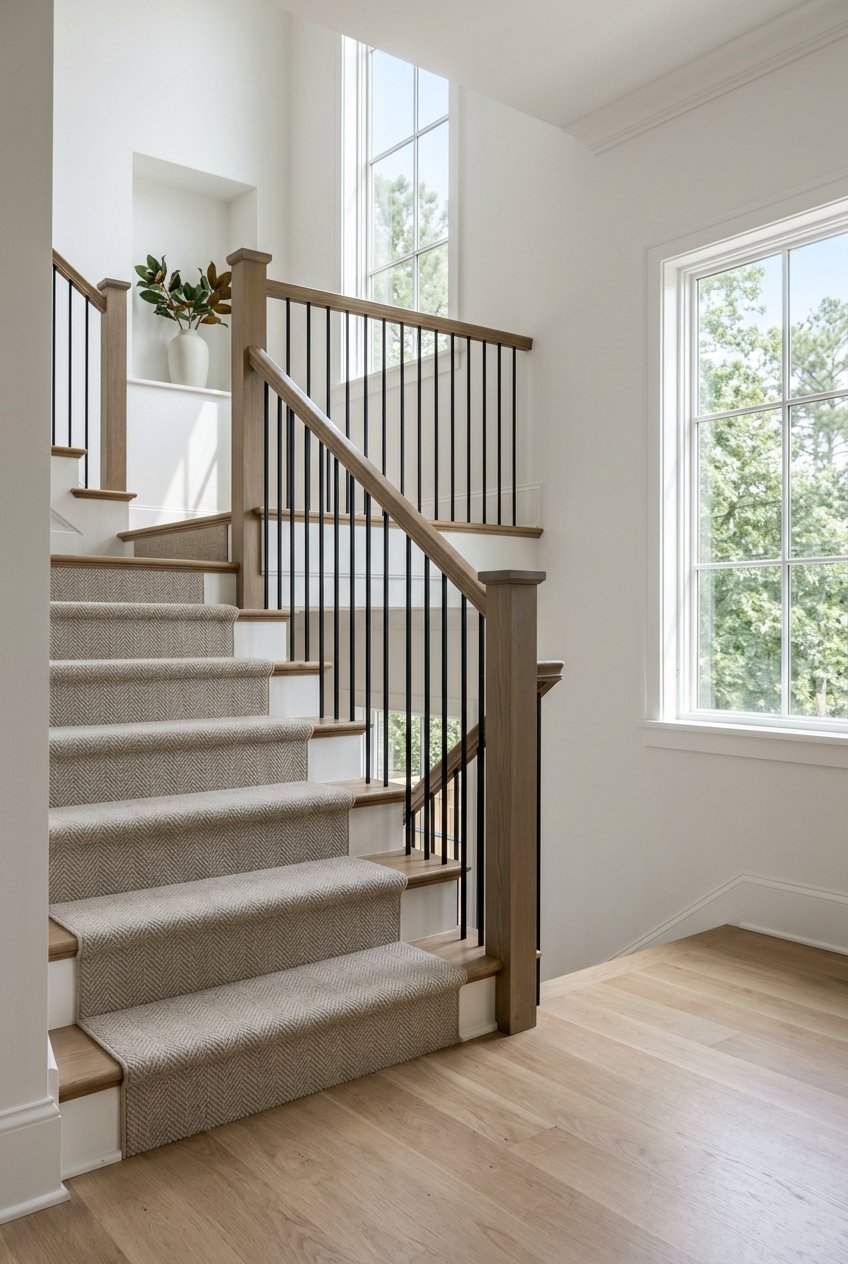
Staging And Showcasing Character Homes In Chatham County
April 23, 2026
April 23, 2026
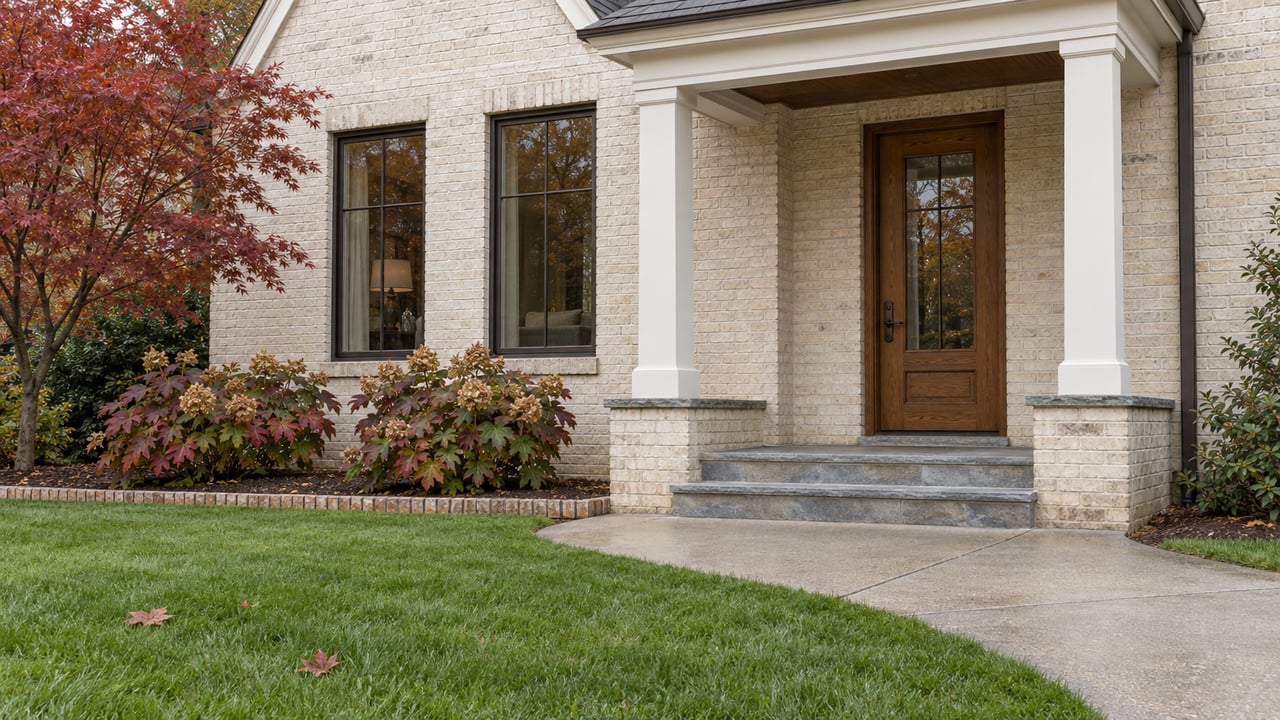
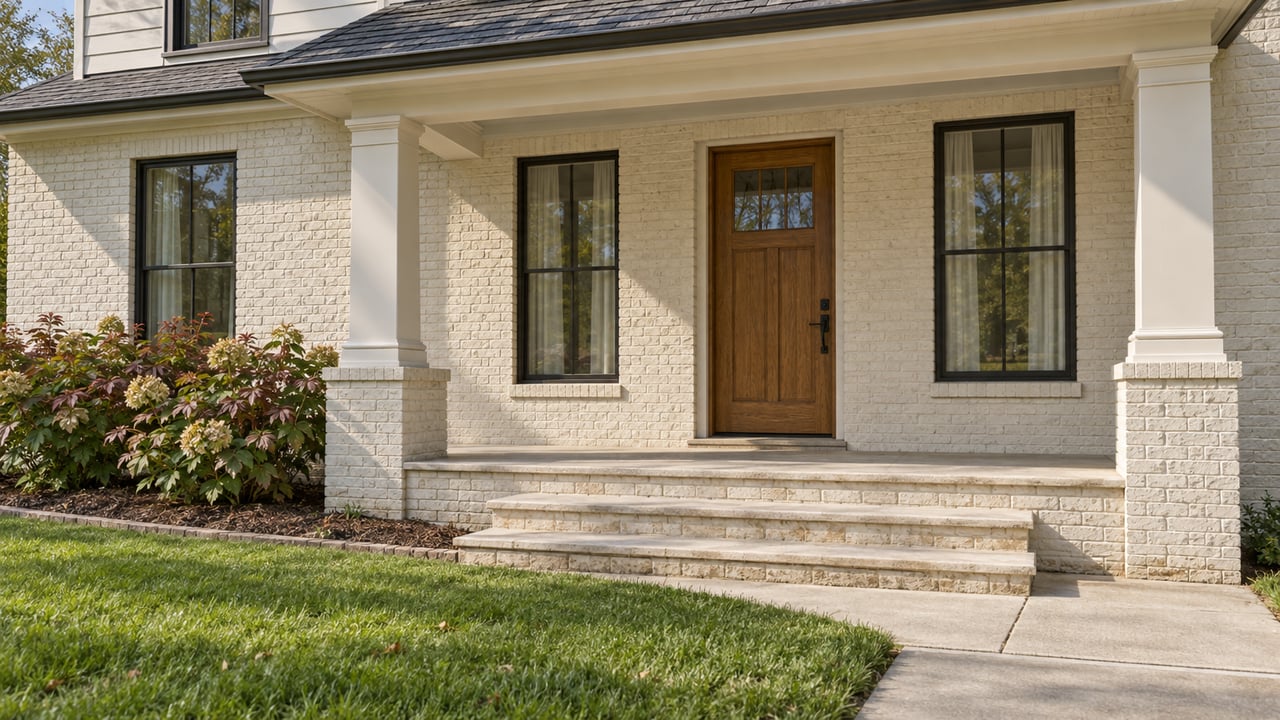
If you own a character home in Chatham County, you already know it does not compete the same way a more generic listing does. Buyers are not just looking at square footage. They are reacting to original trim, deep porches, mature trees, custom site plans, fireplaces, built-ins, and the way a home fits its setting. The right staging and marketing strategy helps those details feel intentional, valuable, and easy to understand. Let’s dive in.
Chatham County is growing quickly, with the U.S. Census Bureau estimating the population at 85,111 in July 2025, up from 76,285 in 2020. The county also has a high 80.6% owner-occupied housing rate and a median owner-occupied home value of $446,200, which points to a market where many buyers are looking carefully at lifestyle, design, and long-term value. In a growth market like this, homes with distinct identity can stand out in a meaningful way when they are presented well. Chatham County QuickFacts helps frame that larger context.
In ZIP code 27312, that identity can take several forms. You may have a historic home near downtown Pittsboro, a custom property on a wooded lot, or a home in a planned community where architecture and landscape were designed to work together. Local communities and planning materials consistently emphasize downtown character, open space, wooded settings, and design variety, which means buyers here often respond to homes that feel specific to their place rather than interchangeable. Pittsboro’s downtown redevelopment information, Chatham Park, and Fearrington Village homes all reflect that local preference.
Before you move a single piece of furniture, you need to define what gives your home its identity. In Chatham County, that might be historic craftsmanship, a welcoming front porch, original built-ins, a fireplace, a site-sensitive custom design, or a strong relationship between the house and a wooded setting. Once you identify those features, every staging choice should support them rather than compete with them.
That approach aligns with local preservation guidance. Pittsboro’s façade program emphasizes preserving unique historic character, retaining distinctive features and craftsmanship, and making updates that are compatible with a property’s size, scale, and architectural details. It also warns against fake historic treatments, which is a helpful reminder that buyers usually respond best to authenticity. You can review those principles in the Pittsboro Facade Improvement Grant Program guidelines.
Not every room needs the same level of staging. According to the National Association of Realtors 2025 staging snapshot, 83% of buyers’ agents said staging made it easier for buyers to visualize a property as a future home. The most commonly staged rooms were the living room, primary bedroom, and dining room.
That matters even more in a character home. These are often the spaces where architectural details and daily livability come together. If your living room has built-ins or a fireplace, if the dining room connects to a porch or garden view, or if the primary bedroom has unusual ceiling lines or a sitting area, those rooms deserve the strongest visual support.
Your goal is not to fill the house with decor. Your goal is to help buyers understand how the home lives while keeping original details front and center. That usually means:
In other words, staging should frame the architecture, not overpower it.
Older and custom homes often have bonus rooms, flex spaces, or layout moments that are harder to label at first glance. You should still make those spaces understandable, but they do not need the same visual weight as the home’s core rooms. A simple desk, reading chair, or scaled rug can give context without pulling attention away from the home’s strongest features.
One of the biggest staging mistakes with character homes is trying to make them feel like brand-new construction. That often strips away the very personality buyers came to see. Instead, you want the home to feel cared for, functional, and visually calm, while still showing the materials and craftsmanship that make it different.
Pittsboro’s preservation guidance is clear on this point. Historic character should be retained and preserved, and repair or restoration of original details is encouraged where possible. If your home has original millwork, paneling, windows, brick, or porch details, the best strategy is usually to clean, repair, and present them well rather than covering them up with trend-driven updates.
Because most buyers start online, staging and photography need to work together from day one. NAR notes that more than 90% of buyers search online, and 85% say photos are the most important factor in deciding which homes to view. That is why staging should be complete before photos are taken, not after. NAR’s guidance on making listing photos picture-perfect is especially useful for distinctive homes.
For a character home, strong photography should do a few specific things:
Wide-angle distortion can make an unusual room look even more confusing. Clean, honest images usually perform better because they build trust and help buyers feel confident about what they are seeing.
Still photos alone may not fully explain an older or custom home. If the layout has been expanded over time, includes split levels, or opens to porches, gardens, or outdoor spaces in a unique way, buyers need more context. This is where virtual tours and floor plans become especially valuable.
According to NAR’s coverage of virtual tours in real estate, virtual tours help buyers understand how rooms connect and whether the layout works for them. NAR also notes that floor plans are the most requested visual asset after listing photos. For Chatham County character homes, these tools can reduce uncertainty and help buyers appreciate flow, scale, and furniture placement before they ever schedule a showing.
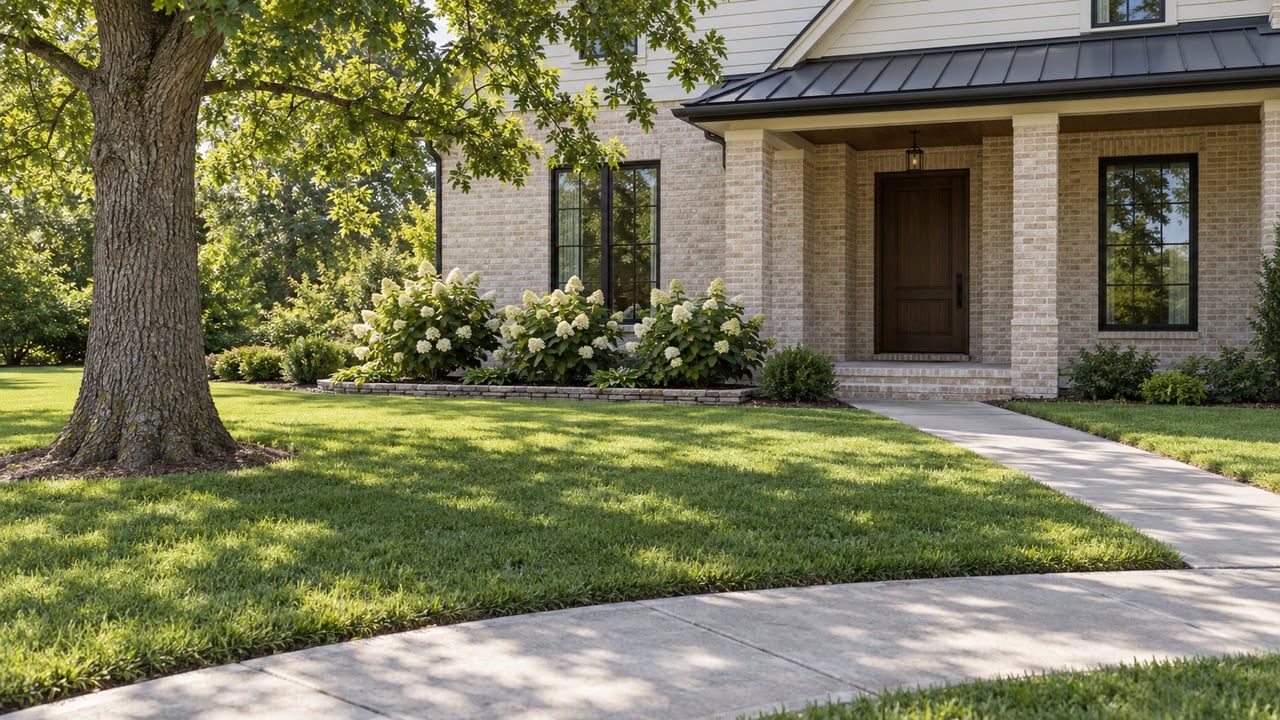
In 27312, the setting is often part of the sale. Buyers may be drawn to proximity to historic downtown Pittsboro, the relationship between the home and a wooded lot, or the design philosophy of a planned community. The home’s story should make that connection clear.
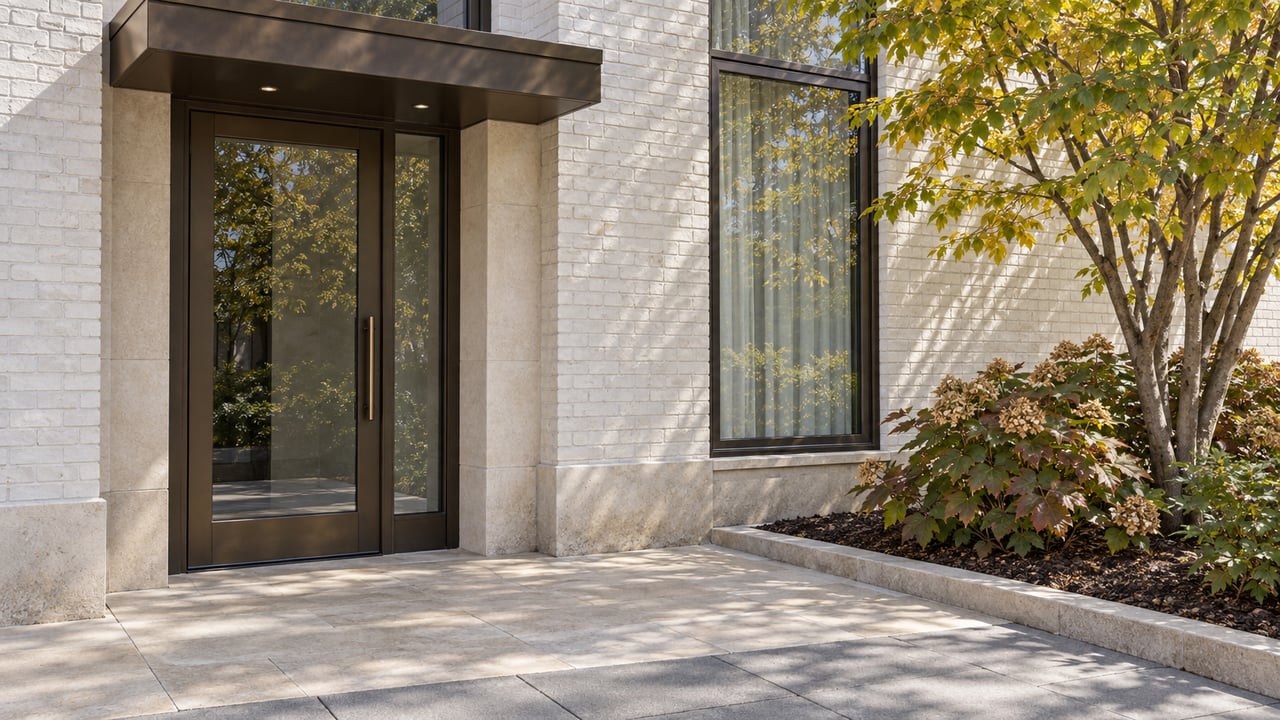
That does not mean over-romanticizing the property. It means describing the home in a way that explains why its features matter here. A wide front porch can feel more meaningful when paired with walkable access to downtown Pittsboro. A custom home on a wooded site may stand out more when buyers understand the value of privacy, mature trees, and landscape integration. A newer home with thoughtful design in a master-planned setting can be framed around architecture, outdoor access, and connection to place, as reflected by Chatham Park’s community positioning.
This is one of the biggest questions sellers have. If a home has character, should you leave it alone, lightly refresh it, or make larger changes before listing? The answer depends on whether the item adds identity, creates buyer hesitation, or affects function.
In general, preserve or restore details that contribute to the home’s architectural story. Update elements that distract from that story, especially if they make the home feel poorly maintained rather than distinctive. Cosmetic changes should support authenticity, not erase it.
Some homes need more than staging. If your property is historic, highly customized, or difficult to price, specialist input can add real value before you list.
Pittsboro’s guidance specifically mentions that a professional architect familiar with historic preservation principles may be appropriate for certain properties, and State Historic Preservation Office consultants may be useful for nationally registered buildings. That can help if you are unsure which changes would respect the home’s original character.
An appraiser can also be helpful when standard comparable sales do not tell the whole story. The Appraisal Institute notes that residential appraisers provide an unbiased estimate of value, help sellers establish an acceptable sales price, and can identify areas that could be improved before listing. For a distinctive Chatham County home, especially one with unusual features or limited comps, that insight can shape pricing and pre-listing decisions with more confidence.
When you stage and market a character home well, you are doing more than making it look attractive. You are helping buyers understand the logic of the property. You are showing that the details are intentional, the home has been cared for, and the setting adds value.
That is especially important in a growing market like Chatham County, where buyers may be comparing historic homes, custom homes, and newer planned-community homes all in the same search. Clear positioning, polished visuals, and a thoughtful narrative help your home stand apart for the right reasons.
If you are preparing to sell a character home in Chatham County, the best results usually come from a strategy that respects the home’s identity while presenting it with modern clarity. Van Starling II brings broker-level guidance, elevated presentation, and luxury-grade marketing to help you showcase what makes your home memorable.
Stay up to date on the latest real estate trends.

If you're looking to sell your home or relocate to or from the Triangle area, reach out to Van via call, text, or message, and he will guide you toward achieving your goals.