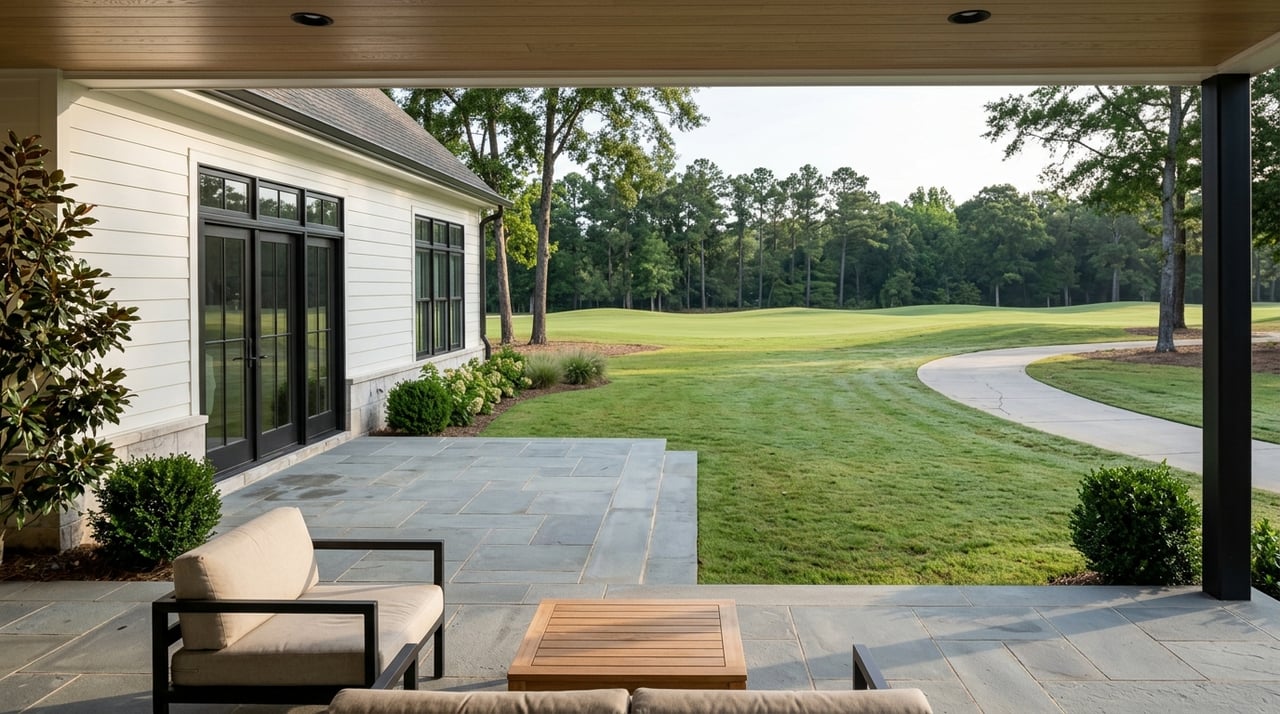
Selling A Golf Course Home In Holly Springs
July 9, 2026
July 9, 2026
Thinking about selling your golf course home in Holly Springs? You may already know that the view can be a major draw, but buyers usually look past the word “golf” and focus on how the lot actually lives day to day. If you want to position your home well, price it smartly, and answer the questions serious buyers will ask, this guide will help you understand what matters most. Let’s dive in.
Holly Springs continues to grow, and that matters when you sell a home tied to a lifestyle setting. Census estimates place the town at 50,288 residents in July 2025, up from 41,239 in the 2020 census. The town also sits within a fast-growing region near Raleigh, RTP, and RDU, which supports steady interest from move-up buyers and relocating households.
The local housing profile also helps explain who may be shopping for golf course property here. Median owner-occupied home value is $535,800, median household income is $135,578, and 67.3% of adults age 25 and older hold a bachelor’s degree or higher. In practical terms, many buyers are likely to weigh both lifestyle appeal and long-term resale factors when comparing homes.
That broader growth story can support your sale, but it does not mean every golf course home earns an automatic premium. Buyers still compare lot position, privacy, outdoor living, and the overall community experience. Your strategy should focus on the features that truly set your home apart.
One of the biggest mistakes sellers make is assuming the golf course setting alone drives value. Research suggests that the market does not reward every golf-adjacent home the same way. Instead, buyers respond to specific features that improve the view, privacy, and everyday use of the property.
That means your home should be marketed based on what it actually offers, not just where it sits. A rear view over fairway, green, water, or open space may matter more than the simple fact that the lot backs to a course. The same is true for outdoor areas that help you enjoy that setting in a practical way.
If your home has tradeoffs, those should be handled clearly and honestly. Visibility from golfers, proximity to a cart path, or golf-ball risk can affect how buyers see the property. Addressing those points directly helps build trust and can keep deals from falling apart later.
When buyers look at golf course homes in Holly Springs, they usually focus on a few core factors. These are the details most likely to shape interest, showing activity, and offers.
Unobstructed views tend to be one of the biggest value drivers. Buyers often respond well to lots that overlook fairways, greens, water, or preserved open space. A clean, open rear orientation can make the home feel brighter, calmer, and more connected to the landscape.
A view is more powerful when buyers can actually enjoy it. Covered porches, patios, screened spaces, and well-planned seating areas help turn the back of the home into a daily living space. This can make the setting feel more valuable than a view that is only visible from inside.
Privacy matters more than many sellers expect. Landscaping, fencing where permitted, and deeper setbacks can help soften the exposure that sometimes comes with course frontage. Buyers often want open views without feeling like their backyard is on display.
In communities with a well-known club and active amenity package, the lifestyle story can be a real selling point. Buyers may care about dining, fitness, tennis, pickleball, swimming, and social events just as much as golf itself. That broader appeal can expand your buyer pool beyond people who play regularly.
Golf course homes can generate strong interest, but serious buyers usually have practical questions. The more clearly you address them, the smoother your listing process may be.
Buyers often want to know how visible the backyard, windows, or outdoor living spaces feel from the course. If your lot has mature landscaping, a thoughtful setback, or a favorable angle, those details should be highlighted. If not, it is better to describe the setting honestly than let buyers feel surprised during a showing.
Some lots are more exposed than others, especially near tees, fairways, or doglegs. If your property has a history of ball strikes or has protective measures in place, that should be part of your preparation before listing. Clear disclosure and good documentation can help avoid confusion.
Maintenance schedules, golfer traffic, and cart path proximity can shape a buyer’s impression of the lot. These factors do not affect every home equally, so specifics matter. Your marketing should reflect the actual experience of the property rather than using generic language.
Cost questions come up quickly in golf communities. Buyers want to understand what is covered by the homeowners association, what relates to club membership, and whether any assessments or transfer fees apply. Keeping those items separate and accurate is essential.
In Holly Springs, 12 Oaks is one of the clearest examples of how a golf course home can be tied to a larger lifestyle offering. The Club at 12 Oaks describes itself as a membership-based club centered around a Nicklaus Design 18-hole course that opened in 2008. The club also highlights golf, dining, fitness, tennis, pickleball, swimming, and social events within its membership options.
The community’s new resident information also points to a broad amenity mix, including three community pools, tennis, pickleball, a fitness center, dining, kids club, teen programs, and social activities. For sellers, that means the home should be positioned as part of a daily living experience, not just a house with a course behind it. Buyers may be just as interested in the rhythm of the community as the floor plan itself.
This is especially important in your listing presentation and marketing copy. The relationship between the house and the community matters. Rear-view orientation, access to outdoor living, and how the lot feels within the broader neighborhood can all shape the final result.
This is one of the most important steps when selling a golf course home in Holly Springs. HOA obligations and club access are not the same thing, and buyers need a clear explanation of both.
Under North Carolina law, sellers in properties governed by one or more owners’ associations must disclose information such as regular dues, services paid by dues, unpaid assessments, judgments, and fees charged in connection with transfer. In a community like 12 Oaks, you should also verify whether club membership is optional, required, or tiered, along with any related dues or transfer costs.
This information should be confirmed before your home goes live. Clear numbers and plain-language explanations help buyers compare your property more confidently. They also reduce the risk of surprise during due diligence.
Selling well starts with showing the parts of the home that carry the most weight. With a golf course property, that often means rethinking what gets emphasized first.
For many golf course listings, the rear elevation and outdoor spaces deserve special attention. Buyers want to understand sightlines, openness, and how the lot connects to the course or open space. Photography should capture those features early and well.
Generic phrases like “great golf course lot” often fall flat. It is usually more effective to describe what the home actually overlooks, whether that is a fairway, green, pond, or broad open stretch with no rear homes. Specifics help buyers picture the setting before they ever visit.
Before you settle on price and listing language, it helps to collect key documentation. This may include HOA dues, club dues, transfer fees, assessments, and amenity rules. Having those details ready supports accurate pricing and stronger buyer conversations.
If there are privacy limitations, drainage concerns, easements, recurring golf-ball damage, or clubhouse-related assessments, those are material facts that should not be glossed over. North Carolina requires most residential sellers to provide the disclosure statement no later than the time the buyer makes an offer. If new material facts arise after delivery, a corrected statement must be provided promptly.
The best pricing strategy usually balances the home’s special features with the realities of the lot. Not every golf course home should be priced above nearby non-golf properties, and not every course-front lot performs the same way.
A realistic price considers the quality of the view, privacy level, outdoor usability, and community amenity appeal. It should also account for any exposure to golfers, cart paths, maintenance activity, or added costs that buyers may factor into their decision. A well-supported price helps attract the right buyers early, which is often critical for momentum.
This is where presentation and positioning matter. When pricing is paired with strong visuals, clear disclosure, and a polished story about how the home lives, your listing has a better chance of standing out for the right reasons.
Golf course homes benefit from thoughtful, visual marketing. Buyers need to see more than square footage and interior finishes. They need to understand the lot, the views, and the lifestyle the home offers.
That is why professional photography, video, and staging can make such a difference. A strong campaign should show how natural light works in the rear of the home, how outdoor spaces function, and how the property feels in relation to the surrounding community. For the right home, elevated presentation can help buyers connect emotionally while still answering practical questions.
A good listing strategy also stays grounded in transparency. Buyers are more likely to engage seriously when the marketing is polished but honest. Clear details about amenities, costs, and lot characteristics can strengthen confidence from the start.
If you are thinking about selling a golf course home in Holly Springs, the goal is simple: present the property clearly, price it based on what truly drives value, and make it easy for buyers to understand both the benefits and the details. For broker-level guidance, premium marketing, and a thoughtful plan tailored to your home, connect with Van Starling II.
Stay up to date on the latest real estate trends.


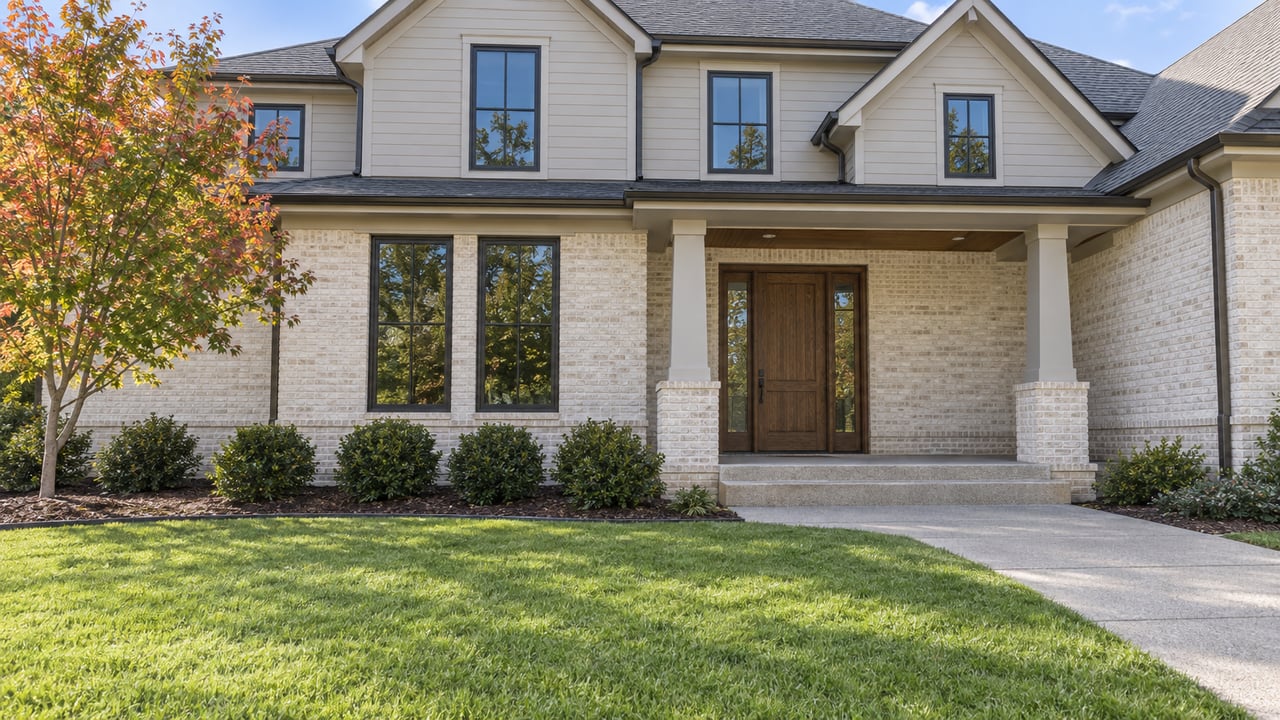
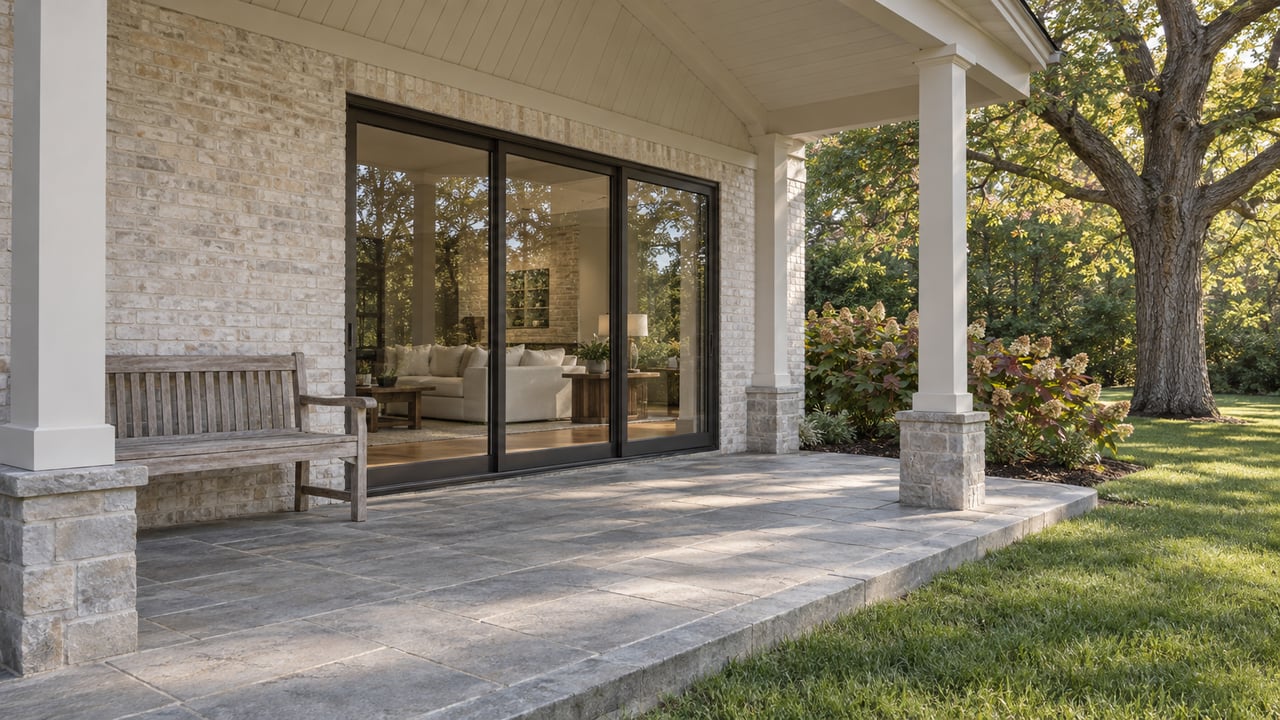
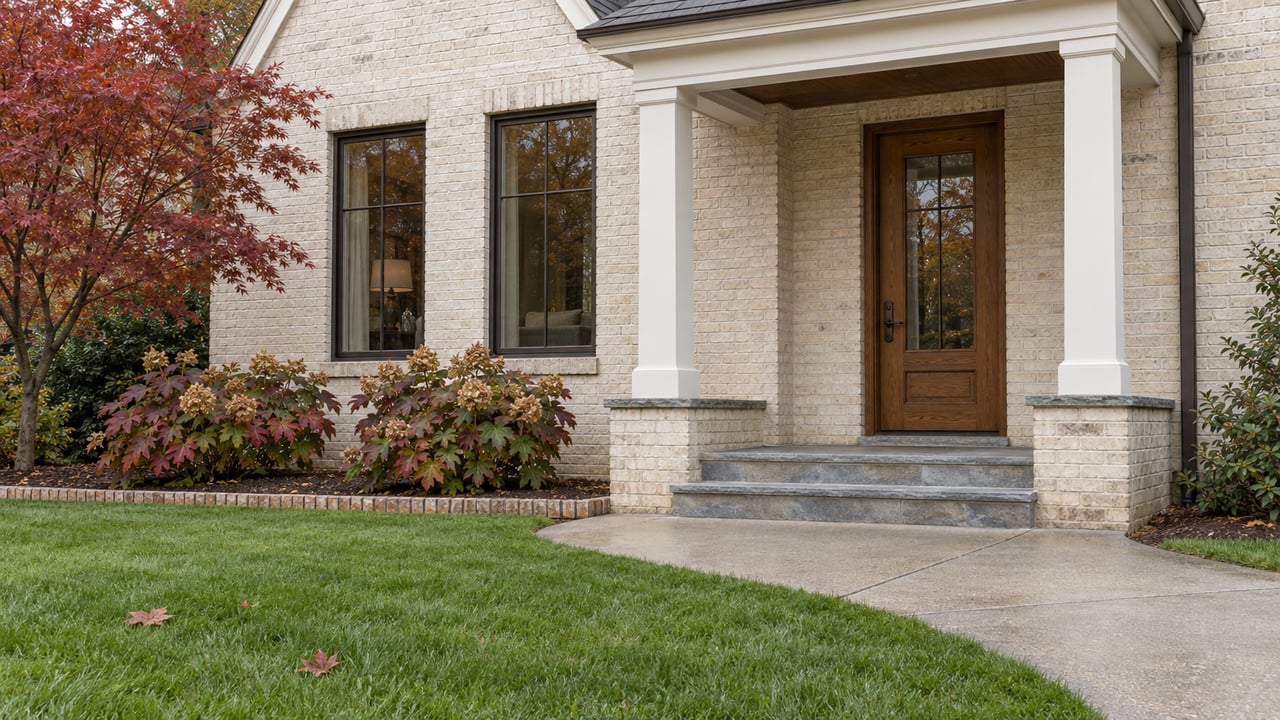

If you're looking to sell your home or relocate to or from the Triangle area, reach out to Van via call, text, or message, and he will guide you toward achieving your goals.