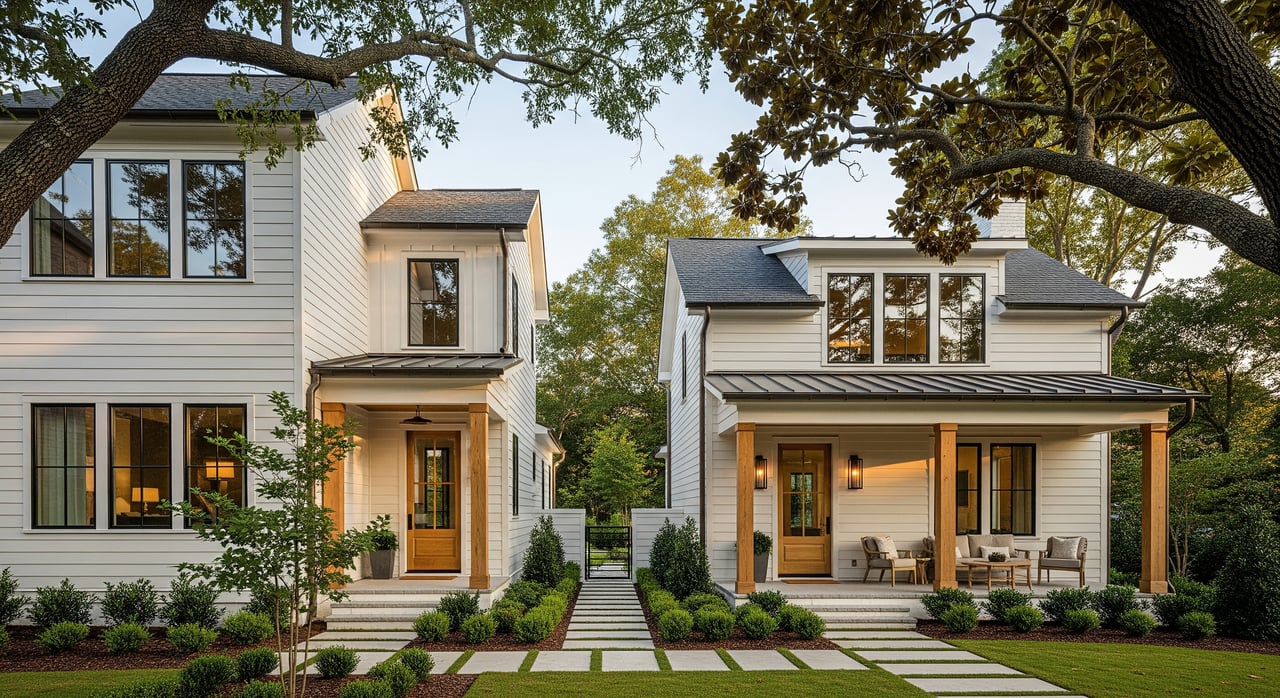
Want to live in Apex and have your home help cover the mortgage? House hacking lets you do just that by renting part of your property while you live in it. If you want to lower your monthly costs, build equity faster, and stay close to Research Triangle jobs, you are in the right place.
In this guide, you will learn practical live-in strategies that work in Apex, how financing and underwriting typically treat 2–4 unit homes and ADUs, and what local rules you should check before you buy. You will also get a step-by-step checklist to stress test your numbers and operate smoothly as an owner-occupant. Let’s dive in.
Why Apex works for house hacking
Apex sits in the heart of the Triangle, with access to RTP, healthcare systems, and major universities. That mix supports steady renter demand and convenient commutes, which are key for house hacking.
Your specific neighborhood still matters. Zoning, HOA covenants, and permits determine what is possible on a given lot or in a townhome community. Before you make an offer, confirm allowed uses and any accessory dwelling unit standards with the town’s resources. Start with the Town of Apex Planning and Development site to review current policies, the Unified Development Ordinance, and permitting steps. You can find the latest guidance through the Town of Apex Planning and Development resources.
Three live-in strategies that fit Apex
Duplex-style townhomes and two-unit buildings
A duplex or two-unit townhome gives you two separate dwellings under one roof. You live in one and rent the other. The big advantage is privacy, since each unit can have its own entrance, parking, and sometimes separate utilities.
- Pros: more predictable rental income, clearer separation between your space and the rental, easier long-term leasing.
- Cons: HOA rules may limit leasing in some townhome communities, shared walls can create noise concerns, and parking must be managed.
What to look for:
- Separate entrances and parking for each unit.
- Separate electric and gas meters if possible, or a simple system for allocating utilities.
- Good sound separation, plus separate HVAC for comfort and fair utility usage.
Accessory dwelling units and in-law suites
An ADU is a self-contained dwelling on the same lot. It can be attached, like a basement apartment, or detached, like a garage apartment. You can live in the main home and rent the ADU, or flip the arrangement to maximize income and privacy.
- Pros: keeps a single-family look on the street, strong demand for smaller private units.
- Cons: zoning, setbacks, parking, and size limits may apply. HOA covenants can also restrict rentals or detached structures.
What to confirm:
- Whether your target lot and zoning allow an ADU, and any limits on size or placement.
- If a conversion is feasible, including egress, ceiling heights, electrical, plumbing, and fire separation to meet code.
- Permit requirements and inspection timelines before you commit to a construction plan.
Roommate-friendly single-family layouts
If you want to start simply, consider a single-family home with a layout that works for roommates. Think multiple bedrooms with ensuite or nearby baths, a split-bedroom plan, or a finished lower level with a bedroom, bath, and living area.
- Pros: stronger per-bedroom rent, flexible leasing, and fewer zoning hurdles since it remains a single dwelling.
- Cons: more management and turnover, and you need clear house rules to maintain harmony and good neighbor relations.
What to favor:
- Bedrooms with private baths or easy bath access.
- Separate living areas that reduce friction over shared space.
- Practical laundry and storage access for everyone.
Financing your house hack
You have several loan paths when you plan to live in one unit and rent the rest. Requirements vary, so always confirm the latest details with your lender before relying on a specific program.
Loan programs that allow 2–4 units
- FHA: The FHA insures mortgages for owner-occupied 1–4 unit properties. That can mean a lower down payment for qualified buyers. Review program basics through HUD’s FHA resources.
- VA: Eligible veterans and service members can use VA benefits for up to 4 units, provided one unit is your primary residence. See details on VA Home Loans.
- Conventional conforming: Fannie Mae and Freddie Mac allow owner-occupied multi-unit purchases with specific down payment and reserve rules. Check guidance with Fannie Mae and Freddie Mac.
- Local portfolio loans: Local banks and credit unions sometimes offer flexible options for owner-occupants who plan to rent a portion of the property.
Underwriting and occupancy basics
- Owner-occupancy: Plan to live in the property as your primary residence for the period required by your loan program. Lenders often ask for documentation of your intent.
- Down payment and reserves: Multi-unit purchases may require higher down payments and cash reserves than a single-family home. Exact numbers depend on the loan and your profile.
- Counting rental income: Lenders may allow a portion of lease income or market rents to help you qualify. Expect to provide signed leases or a market rent analysis.
- Appraisal and habitability: Your appraisal and unit condition must meet the standards of your chosen loan program. Creating a legal rental often triggers code updates and inspections.
Insurance and taxes
If you rent any part of your property, your insurance may need to change. Ask your insurer about a landlord endorsement or a dwelling policy for the rented portion. For taxes, rental income is generally taxable, and you can deduct ordinary expenses related to the rental portion of the property. Review federal guidance on rental income and deductions with the IRS’s rental income and expenses information, and confirm state considerations with the North Carolina Department of Revenue.
Compliance and leases in Apex and NC
Operating legally and setting clear expectations up front will save you time and stress.
Zoning, permits, and inspections
If you plan to build or convert an ADU, or finish a basement to create a separate living space, get the right permits and inspections. Electrical, plumbing, and egress requirements are common triggers. Start early with town planning resources, then coordinate inspections through Wake County building and environmental services.
Also review HOA covenants if you are considering a townhome or a planned community. Rules might limit the number of rentals, set a minimum lease term, or restrict short-term rentals.
Written lease essentials
Use a written lease for any rental arrangement, even with roommates. At a minimum, include rent due dates, deposit terms, maintenance responsibilities, notice periods, noise and parking rules, guest and occupancy limits, pet policies, and subletting rules. For evictions and security deposits, North Carolina law governs procedures and required notices. Review North Carolina landlord-tenant statutes, Chapter 42 before you finalize your forms and processes.
Short-term rentals versus long-term tenants
Short-term rentals typically follow different permitting, tax, and insurance rules than long-term leases. Many owner-occupants choose long-term tenants for stability and simpler financing. If you are considering short-term hosting, confirm Apex policy and your insurance coverage first.
Run the numbers before you buy
Model your income and expenses conservatively to understand how much your rent will offset your payment.
A simple stress test framework
- Estimate rent on the conservative side, and subtract a vacancy allowance of 5 to 10 percent.
- List monthly expenses: principal and interest, property taxes, insurance, HOA dues, and utilities you will pay.
- Add a maintenance reserve and a management allowance, even if you plan to self-manage.
- Subtract total expenses from your conservative rent to find your net offset. Decide if the result meets your comfort level.
You can build a simple spreadsheet with rent inputs and a couple of what-if scenarios. Review the model with your lender so the assumptions match what they can count for qualification.
Due diligence checklist before you commit
- Confirm zoning and ADU standards with the town and verify neighborhood covenants.
- Discuss permit feasibility, timeline, and likely cost range with the building department.
- Check whether utilities are separately metered or can be split cost-effectively.
- Order a home inspection and ask the inspector to comment on fire separation, egress windows, and HVAC capacity.
- Get current rent comps from local property management firms, MLS data, or a broker who tracks Apex rentals.
Tenant screening and day-to-day operations
- Use consistent, lawful screening criteria. Verify income, run a credit report, and check landlord references.
- Do a detailed move-in checklist, then maintain clear communication and prompt repairs.
- Keep records for income, deposits, maintenance, and improvements for tax and compliance purposes.
Risk management basics
- Maintain cash reserves for vacancies, repairs, and major systems like roof or HVAC.
- Confirm your insurance covers rental activity and the correct number of units.
- Set house rules for parking, quiet hours, and common areas to protect neighbor relationships.
How a local advisor adds value
House hacking rewards careful planning. A local advisor who knows Apex zoning patterns, HOA norms, and what renters expect can help you buy the right layout, forecast realistic rents, and avoid costly missteps. You also benefit from a trusted vendor network for insurance, lending, inspections, and renovations.
If you want help identifying duplex-style townhomes, evaluating ADU potential, or choosing a floor plan that works for roommates, reach out. We will walk you through neighborhood options, connect you with lenders who know owner-occupied multi-unit loans, and help you present your home for maximum appeal to future tenants.
Ready to explore house hacking in Apex or get a read on your current home’s value and rental potential? Connect with Unknown Company to talk strategy and Get Your Instant Home Valuation.
FAQs
Are ADUs allowed in my Apex neighborhood?
Can I use FHA or VA to buy a duplex in Apex?
- Many buyers use FHA or VA for 1–4 unit owner-occupied properties, so review HUD FHA guidance and VA Home Loans and confirm details with your lender.
What permits do I need to convert a basement to a rental?
- Conversions typically require building permits, inspections, and code-compliant egress; coordinate early with the town and Wake County building services.
How will renting part of my home affect taxes?
What should I include in a roommate or unit lease?
Should I hire a property manager if I live on site?
- Many owner-occupants self-manage, but you can hire a manager if time is tight; weigh their fee against the value of professional leasing and maintenance coordination.
What loan rules apply to conventional 2–4 unit purchases?
- Conventional loans allow owner-occupied multi-unit purchases with specific down payment and reserve rules; check program details with Fannie Mae and Freddie Mac.